Voice-Over Trends to Watch This Year
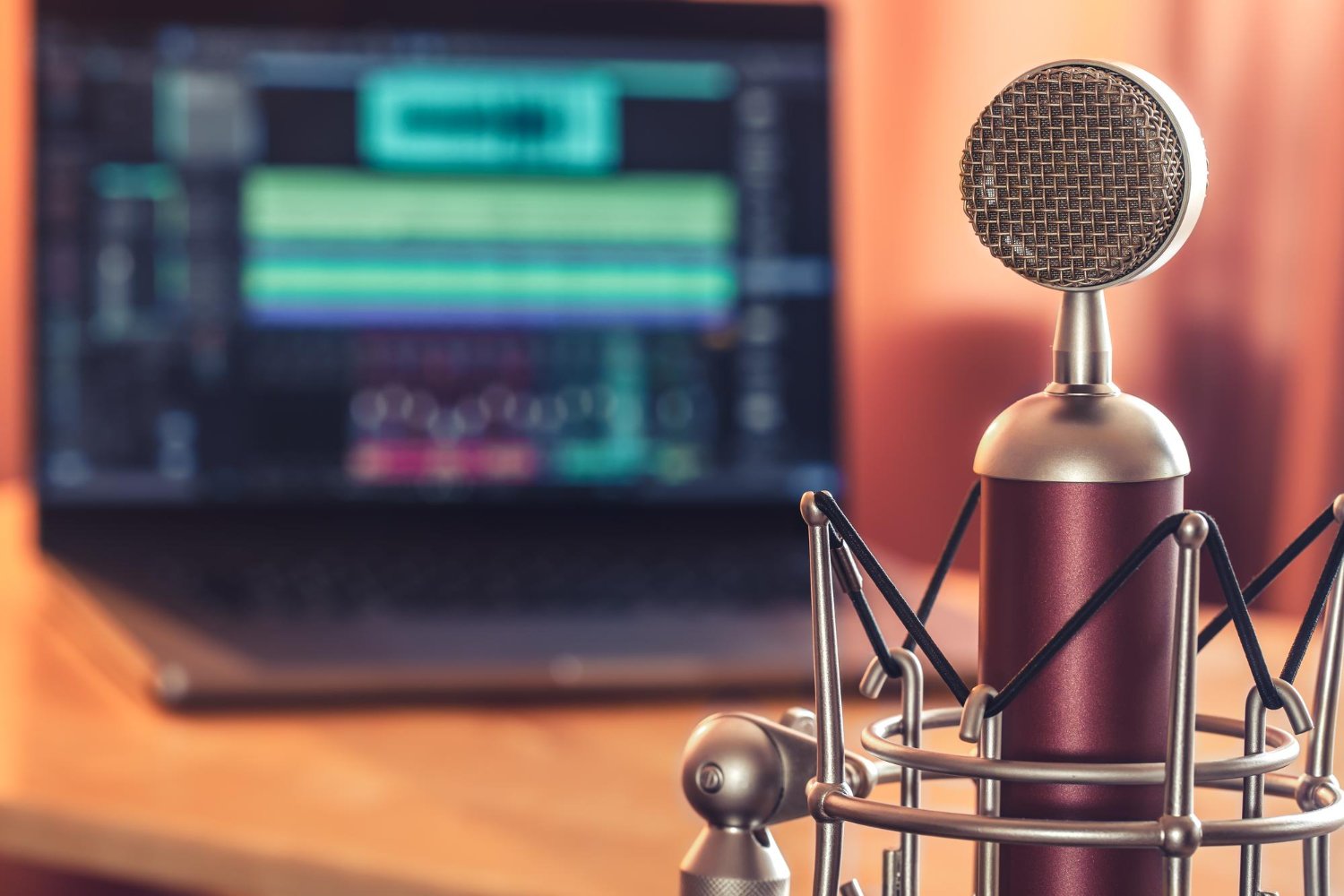
The voice-over industry stands at a fascinating crossroads. Technology reshapes how we create and consume audio content, while human creativity remains irreplaceable. Whether you’re a voice actor, content creator, or business owner, understanding these trends will help you stay ahead of the curve. The AI Voice Revolution: Collaboration, Not Competition How Synthetic Voices Are Changing the Game Artificial intelligence has entered the voice-over space with impressive force. Synthetic voices now sound remarkably human, handling everything from GPS navigation to e-learning modules. Companies can generate hours of audio content in the time it once took to book a recording session. But here’s the interesting part: AI hasn’t eliminated human voice actors. Instead, it has created a new dynamic. Smart businesses use AI for repetitive, high-volume projects. Think thousands of product descriptions or daily weather updates. They save their budget for human talent when emotion, subtlety, and connection matter most. Where Human Voices Still Win Human voice actors bring something algorithms can’t replicate: genuine emotion and interpretive choice. A skilled narrator understands when to pause for dramatic effect, when to soften their tone for empathy, or when to inject humor into a corporate script. These nuanced decisions transform good content into great content. The most successful voice actors now position themselves as creative partners, not just service providers. They offer script consultation, character development, and performance choices that AI simply cannot provide. The Death of the “Announcer Voice” Why Everyone Sounds Like Your Friend Now Remember those booming, overly enthusiastic commercial voices from the 1990s? They’re nearly extinct. Today’s audiences want authenticity. They prefer voices that sound like a knowledgeable friend sharing information over coffee, not a salesperson shouting from a billboard. This shift affects every industry. Healthcare videos use warm, reassuring tones. Financial services opt for trustworthy and calm delivery. Even luxury brands have moved away from overly polished voices toward something more approachable. What This Means for Voice Actors Voice actors have adjusted their technique accordingly. Modern reads include natural pauses, breaths, and conversational rhythms. Scripts themselves have changed too, featuring contractions, sentence fragments, and casual language that mirrors how people actually speak. The actors thriving in this environment are those who can sound effortlessly natural while still delivering clear, professional performances. It’s harder than it sounds, being “naturally conversational” on command takes considerable skill. Your Home Studio Is Your New Workplace The Remote Recording Boom The recording booth at a downtown studio? Optional. Professional voice actors now deliver broadcast-quality audio from converted closets, spare bedrooms, and home offices. Advances in microphone technology and soundproofing materials make this possible. This transformation benefits everyone. Clients get faster turnaround times and lower costs. Voice actors gain flexibility and eliminate commute time. The playing field has leveled, a talented actor in Montana now competes equally with someone in Los Angeles or New York. Investment in Quality Still Matters However, “home studio” doesn’t mean “cheap setup.” Professional voice actors invest in quality microphones, audio interfaces, acoustic treatment, and editing software. They learn audio engineering basics to deliver clean, edited files that meet client specifications. The most successful home-based voice actors treat their space as seriously as any professional studio. They understand that while location no longer matters, audio quality absolutely does. The Multilingual Content Explosion Global Audiences Demand Local Voices Companies no longer create content in just English and Spanish. They need Arabic, Mandarin, Portuguese, Hindi, French, German, and dozens of other languages. This global approach isn’t optional, it’s essential for reaching modern audiences. Bilingual and multilingual voice actors enjoy increased demand and higher rates. But language fluency alone isn’t enough. Clients want native speakers who understand cultural context, humor, and regional variations. A Spanish voice actor from Madrid sounds different from one in Mexico City, and smart brands match the voice to their target audience. Translation Quality Makes or Breaks Projects The rise in multilingual content has exposed poor translation work. Awkward phrasing or cultural mistakes damage brand credibility. This has created opportunities for voice actors who can identify translation issues and suggest improvements, adding value beyond simple narration. Audiobooks Get a Makeover Beyond the Single Narrator Audiobook production has become sophisticated. While solo narrators remain common, publishers increasingly experiment with full-cast productions, sound effects, and musical scores. These productions feel more like audio dramas than traditional audiobooks. Publishers also pay closer attention to narrator selection. They seek voices that match character demographics; age, ethnicity, regional background, and gender identity. This attention to authentic representation improves listener experience and respects author intent. New Opportunities for Voice Actors For voice actors, audiobooks offer steady income and creative fulfillment. A single book might require 8-15 hours of finished audio, meaning several days of recording work. Series work can provide recurring opportunities as authors release new titles. The challenge? Audiobook narration demands stamina, consistency, and characterization skills. Narrators must maintain character voices across hundreds of pages while keeping listeners engaged through description-heavy passages. Podcasting’s Advertising Gold Rush Why Brands Love Podcast Ads Podcast advertising revenue grows year after year. Unlike traditional ads that listeners skip, podcast ads often feel like part of the show. Many podcast hosts read their own ads, creating authentic endorsements that audiences trust. This authenticity has created demand for voice actors who can match that natural, unscripted feel. Brands want ads that sound like recommendations from the host, not obvious commercial breaks. Voice actors who can deliver conversational, believable reads find plenty of work in this space. Dynamic Ad Technology Changes the Game Dynamic ad insertion allows different listeners to hear different ads in the same podcast episode. This technology creates demand for multiple ad versions; different products, different offers, different calls to action. Voice actors might record ten variations of similar scripts, each tailored to specific audiences or regions. Accessibility: A Legal Requirement and an Opportunity Why Audio Description Matters Accessibility laws require digital content to serve people with disabilities. Websites, educational courses, and video content need audio descriptions for visually impaired users. This isn’t optional, it’s a legal requirement
Voice-Over Trends to Watch This Year Read More »